 Affiliated under Mangalayatan University, Alighar UP





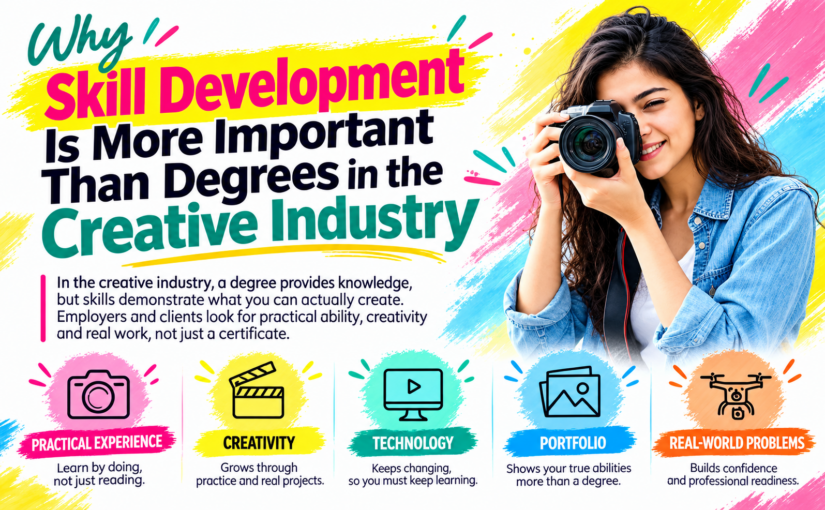
In today’s competitive job market, having a certificate or academic qualification is only one part of building a successful career. Employers increasingly look for candidates who possess practical knowledge, technical skills, creativity, and the ability to work in real professional environments. This is why internships and industry exposure play an important role in career development, particularly in creative industries such as filmmaking, photography, cinematography, video editing, visual effects (VFX), and digital media.
For students who want to build a career in the media and entertainment industry, practical experience is not just an advantage; it is an essential part of professional growth.
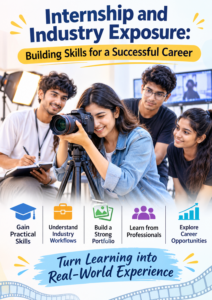
Why Are Internships and Industry Exposure Important?
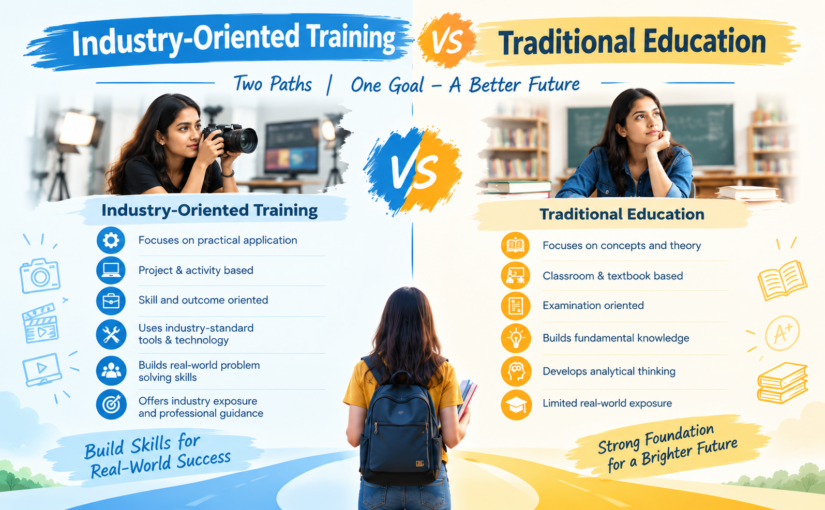
Classroom learning provides students with the foundation of a subject, but working on practical assignments helps them understand how that knowledge is applied in the professional world.
Here are some important benefits:
1. Understanding Real Industry Requirements
Students become familiar with professional workflows, industry expectations, equipment, software, and working methods. This helps them understand what employers and production teams expect from trained professionals.
2. Developing Practical Skills
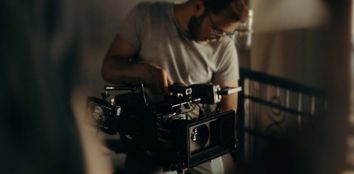
Internships and practical assignments allow students to apply their classroom knowledge. Whether operating a camera, editing a video, managing lighting, creating visual effects, or working on a photography project, hands-on experience improves technical confidence.
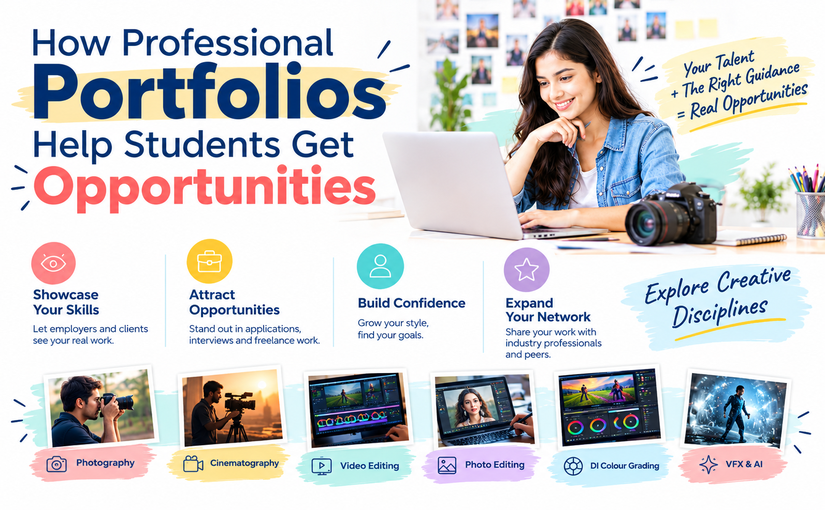
3. Building Professional Portfolios
A strong portfolio is one of the most important tools for creative professionals. Practical projects help students develop original work that demonstrates their creativity, technical ability, and professional potential.
4. Learning Teamwork and Professional Discipline
Media production involves collaboration between directors, cinematographers, editors, photographers, production assistants, and other professionals. Industry exposure helps students understand teamwork, communication, deadlines, and professional responsibilities.
5. Understanding Career Opportunities
Exposure to different areas of the industry helps students identify their interests and understand possible career paths, including freelance assignments, production houses, advertising agencies, photography studios, film production, and digital content creation.
How IRIS Academy Helps Students Gain Practical and Industry Exposure
At IRIS Academy (An Educational Institute of IRIS Foundation), Kolkata, education is approached with a strong focus on practical learning, creative development, and professional skill-building.
The academy believes that students should not only learn how to use professional tools but also understand how to apply their skills in real creative situations.
1. Practical Training Through Industry-Oriented Projects
IRIS Academy incorporates practical assignments and project-based learning into its training programmes. Students get opportunities to work on photography, cinematography, filmmaking, video editing, colour grading, and VFX projects.
These activities help students understand the complete creative process, from planning and execution to final production.
2. Exposure to Professional Equipment and Software
Students receive practical training in industry-relevant tools and technologies, including:
- Professional cameras and cinematography equipment.
- DaVinci Resolve for video editing and colour grading.
- Adobe After Effects for visual effects.
- Photography and photo-editing software.
- Lighting, composition, and filmmaking techniques.
- Drone operation and aerial cinematography.
This exposure helps students become familiar with the technologies commonly used in the media and entertainment industry.
3. Portfolio Development and Creative Showcases
IRIS Academy encourages students to develop their own creative portfolios through practical assignments, filmmaking exercises, photography projects, and editing work.
The academy also provides opportunities for students to showcase their creative work through exhibitions, screenings, student presentations, and events such as Frame Festival.
Such activities help students gain confidence and learn how to present their work professionally.
4. Industry Interaction and Professional Learning
Understanding the industry requires more than learning inside a classroom. Interaction with working professionals, guest sessions, workshops, demonstrations, and creative events can help students understand current industry practices.
IRIS Academy encourages learning opportunities that connect students with the broader media and entertainment environment.
5. Internship and Professional Opportunity Awareness
IRIS Academy understands the importance of internships and professional exposure in preparing students for employment and freelance careers.
The academy encourages students to explore relevant internship opportunities, industry projects, and professional assignments according to their skills and interests.
Students are guided towards understanding professional expectations, preparing portfolios, and approaching potential employers or production organisations.
Internship opportunities depend on industry requirements, available openings, student eligibility, and the selection process of the respective organisation. The academy does not treat internship placement as an automatic or guaranteed outcome of course completion.
6. Preparing Students for the Professional World
The objective of practical education at IRIS Academy is to help students become more confident, independent, and professionally prepared.
Students are encouraged to develop:
- Technical and creative skills.
- Problem-solving abilities.
- Professional communication.
- Teamwork and collaboration.
- Time management and work discipline.
- Portfolio presentation skills.
- Awareness of industry trends and technologies.
These qualities can help students transition from academic learning to professional opportunities.
Career Opportunities After Practical Training and Industry Exposure
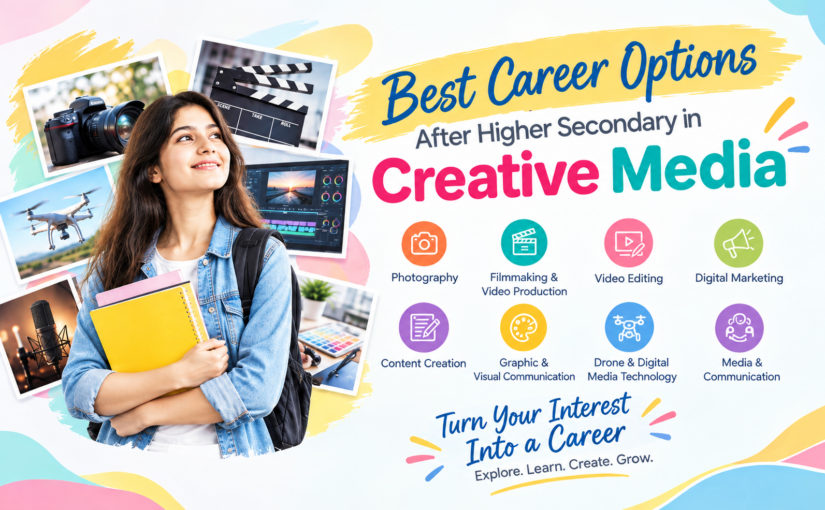
With the right combination of education, practical experience, and portfolio development, students can explore several career opportunities, including:
- Photographer
- Cinematographer
- Video Editor
- Assistant Director
- Film Production Assistant
- Colour Grading Artist
- VFX Artist
- Photo Editor
- Drone Operator
- Digital Content Creator
- Freelance Media Professional
The opportunities available depend on individual skills, experience, qualifications, and industry requirements.
Why Choose IRIS Academy, Kolkata?
IRIS Academy focuses on combining education with practical skill development to help students understand the creative media industry.
Through professional training, practical assignments, portfolio development, equipment exposure, creative projects, and industry-oriented learning activities, the academy aims to prepare students for the challenges of the modern media and entertainment sector.
Whether a student is interested in photography, cinematography, filmmaking, video editing, colour grading, VFX, or drone operations, developing practical skills and understanding professional workflows can make an important difference in their career journey.
Final Thoughts
A successful career is built not only through what students learn but also through what they can create, demonstrate, and apply.
Internships and industry exposure help bridge the gap between academic knowledge and professional expectations. They provide valuable learning experiences, encourage creativity, and help students understand the realities of their chosen careers.
At IRIS Academy, Kolkata, the aim is to go beyond classroom education by encouraging practical learning, creative exploration, portfolio development, and industry awareness — helping students take confident steps towards their future in the media and entertainment industry.
IRIS Academy – Building Skills, Encouraging Creativity, Preparing Future Professionals.