 Affiliated under Mangalayatan University, Alighar UP




Introduction
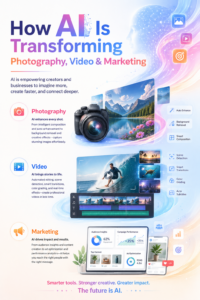
Artificial Intelligence is transforming the creative industry at an extraordinary pace. From generating images and editing videos to analysing audiences and creating marketing campaigns, AI is becoming an essential tool for photographers, videographers, designers and marketers.
But AI is not replacing creativity. Instead, it is changing how creative professionals work, experiment and deliver results.
For students and aspiring professionals, understanding this transformation is becoming just as important as learning the fundamentals of photography, video production or marketing. This is where Iris Academy focuses on combining creative education with the skills needed for a technology-driven industry.
AI Is Transforming Photography
Photography has always evolved with technology—from film cameras to digital cameras and smartphones. AI is the next major step.
Today, AI-powered tools can assist photographers with tasks such as image enhancement, background removal, object selection, colour correction, noise reduction and image organisation. Generative AI can also help professionals create concepts, mood boards and visual ideas before a shoot begins.
This means photographers can spend less time on repetitive post-production work and more time concentrating on composition, storytelling, lighting and creative direction.
However, knowing how to use AI effectively requires more than simply knowing which button to press. A professional photographer needs to understand the fundamentals of visual communication and know when AI enhances an image—and when it compromises authenticity.
AI Is Changing Video Production
Video production is another field experiencing rapid AI-driven change.
AI can support multiple stages of production, including:
- Script development and brainstorming
- Pre-production planning
- Video editing
- Automatic transcription and subtitles
- Audio enhancement
- Colour correction
- Visual effects
- Content repurposing
- Creating short-form versions of longer videos
For brands and creators producing content for Instagram, YouTube, advertising and other digital platforms, these technologies can significantly reduce production time.
But great video still requires storytelling, cinematography, direction and creative judgement. AI can assist the process, but the human creator remains responsible for the vision and emotional impact of the final production.
AI Is Reshaping Marketing
Marketing has perhaps seen one of the biggest impacts of AI.
Businesses can now use AI to analyse customer behaviour, identify trends, generate content ideas, personalise communication and optimise campaigns. Marketers can gain insights from large amounts of data much faster than before.
AI can help marketers answer important questions:
Who is the audience? What content do they respond to? Which message is most effective? When should content be published? How can a campaign be improved?
Generative AI can also accelerate the creation of headlines, social media concepts, campaign variations and visual content.
Yet effective marketing is not simply about generating more content. It is about understanding people, brands, culture and communication. Human strategy and creativity remain essential.
Why Creative Professionals Need AI Skills
The rise of AI does not mean that traditional creative skills are becoming irrelevant. In fact, they are becoming more valuable.
A photographer who understands lighting and composition can use AI more intelligently. A filmmaker who understands storytelling can use AI editing tools more effectively. A marketer who understands consumer psychology can use AI-generated insights without blindly following them.
The future belongs to professionals who can combine:
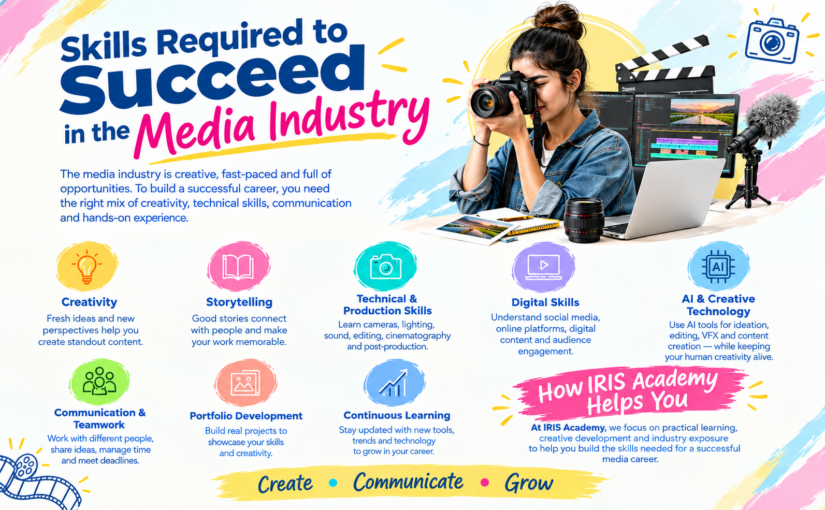
Creative Skills + Technical Skills + AI Literacy + Human Thinking
This combination allows students to use AI as a creative partner rather than simply depending on it.
How Iris Academy Deals With the AI Revolution
At Iris Academy, the approach to creative education is built around preparing students for the realities of the modern media and creative industry.
Rather than treating AI as a replacement for traditional skills, the goal is to help learners understand how emerging technologies can complement their creative abilities.
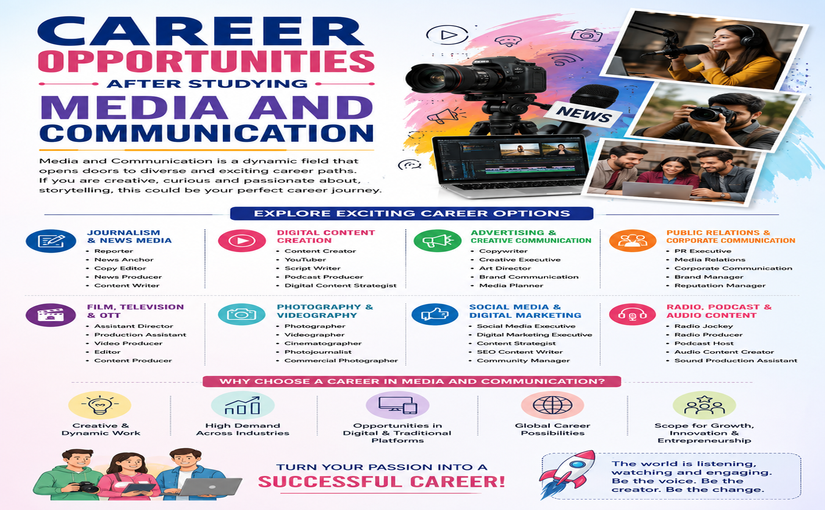
Students can build a strong foundation in areas such as photography, filmmaking, video production, design and digital marketing, while also developing an awareness of the technologies reshaping these industries.
The emphasis is on learning by doing. Students need opportunities to create, experiment, make mistakes, solve creative problems and develop their own visual and communication style.
AI can make production faster, but education should make creators better thinkers.
Learning to Use AI Responsibly
With the growing use of generative AI, creative education also needs to address questions around originality, authenticity, copyright, misinformation and ethical use of generated content.
Iris Academy’s role is therefore not simply to introduce students to new tools. It is to encourage them to develop the judgement required to use technology responsibly.
Students should learn to ask:
- Is AI actually improving this creative work?
- Is the content authentic and appropriate for the intended audience?
- What part of the work should remain human-led?
- Are the tools being used ethically?
- How can technology support an original creative idea rather than replace it?
These questions will become increasingly important as AI becomes a normal part of professional workflows.
The Future Is Human + AI
The creative industry of the future will not necessarily be a competition between humans and machines. It will increasingly be a collaboration.
AI can process information, automate repetitive tasks and generate possibilities at incredible speed. Humans bring emotion, imagination, cultural understanding, critical thinking and personal experience.
For aspiring photographers, filmmakers and marketers, the opportunity is to learn both sides.
The most successful creative professionals will be those who understand their craft deeply and know how to use emerging technology to expand what is possible.
Iris Academy: Preparing Creators for Tomorrow
AI is changing photography, video production and marketing—but the fundamentals of creativity remain timeless.
At Iris Academy, the focus is on helping students develop the creative foundation, practical skills and technology awareness needed to navigate this changing industry.
Because the future of creativity is not about choosing between AI and human talent.
It is about learning how to bring the two together—and using technology to turn better ideas into better creative work.