 Affiliated under Mangalayatan University, Alighar UP




Have you ever wondered what happens behind the camera before a movie, web series, advertisement, or documentary reaches the screen? Filmmaking is a complex creative process that combines storytelling, technical expertise, teamwork, and artistic vision. Every successful production goes through multiple stages, from developing an idea to delivering the final edited film.
For aspiring filmmakers, understanding the complete filmmaking process is essential. At IRIS Academy, students gain hands-on experience in every stage of film production, helping them build the skills needed for successful careers in the entertainment industry.
What is the Filmmaking Process?
Filmmaking is the journey of transforming an idea into a visual story. It involves planning, shooting, editing, and distributing content while coordinating various creative and technical departments.
The filmmaking process is generally divided into five major stages:
- Development
- Pre-Production
- Production
- Post-Production
- Distribution
Let’s explore each stage in detail.
1. Development: Where Every Story Begins
Every film starts with an idea. During the development stage, filmmakers refine concepts and create the foundation for the entire project.
Key Activities:
- Story Concept Development
- Script Writing
- Screenplay Refinement
- Character Development
- Market Research
- Budget Planning
A strong story is the backbone of every successful film. Directors and writers work together to shape the narrative before moving into production.
How IRIS Academy Helps
At IRIS Academy, students learn storytelling techniques, script analysis, screenplay development, and creative visualization to create compelling cinematic narratives.
2. Pre-Production: Planning the Vision
Pre-production is one of the most important phases of filmmaking. Proper planning reduces production challenges and ensures smooth execution.
Key Activities:
- Storyboarding
- Shot Planning
- Casting Actors
- Location Scouting
- Scheduling
- Equipment Selection
- Production Design
This stage involves creating a detailed roadmap for the entire shoot.
How IRIS Academy Helps
Students receive practical training in:
- Storyboarding
- Shot Composition
- Production Planning
- Casting Techniques
- Cinematography Preparation
By participating in real-world projects, learners understand how professional productions are organized.
3. Production: Bringing the Story to Life
Production is the stage where cameras roll and scenes are filmed.
Key Activities:
- Directing Actors
- Camera Operation
- Cinematography
- Lighting Setup
- Sound Recording
- Managing Production Crew
The director works closely with cinematographers, actors, sound engineers, and production teams to capture the desired vision.
How IRIS Academy Helps
IRIS Academy provides hands-on experience with:
- Professional Cameras
- Lighting Equipment
- Film Direction Techniques
- Cinematography Practices
- Live Shooting Projects
Students gain valuable practical exposure that mirrors professional film sets.
4. Post-Production: Creating the Final Film
Once filming is complete, the footage moves into post-production.
Key Activities:
- Video Editing
- Color Correction
- Color Grading
- Sound Design
- Visual Effects (VFX)
- Background Music Integration
This stage transforms raw footage into a polished cinematic experience.
How IRIS Academy Helps
Students learn industry-standard editing and post-production tools while developing expertise in:
- Video Editing
- Motion Graphics
- Sound Editing
- Color Grading
- Visual Effects Fundamentals
These skills are highly valuable in modern filmmaking and digital content creation.
5. Distribution: Reaching the Audience
After post-production, films are distributed through various platforms.
Distribution Channels:
- Theatrical Releases
- Television Broadcasting
- OTT Platforms
- Film Festivals
- YouTube and Digital Media
- Social Media Platforms
Successful distribution ensures that the film reaches its intended audience.
How IRIS Academy Helps
Students learn about:
- Digital Content Distribution
- OTT Production Workflows
- Audience Engagement Strategies
- Media Marketing Basics
This knowledge prepares them for today’s rapidly evolving entertainment landscape.
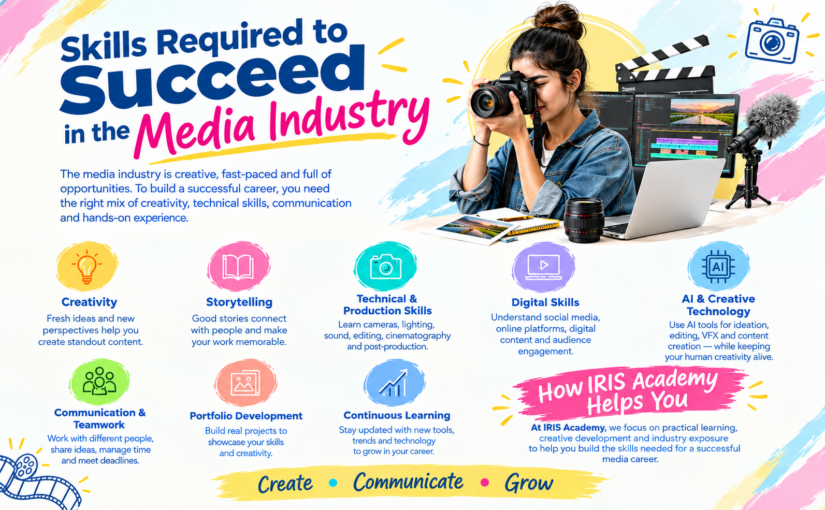
Essential Skills Every Filmmaker Needs
A successful filmmaker requires a combination of creative and technical abilities:
- Storytelling Skills
- Creative Vision
- Leadership
- Communication
- Problem-Solving
- Team Collaboration
- Technical Knowledge
- Adaptability
At IRIS Academy, students develop these skills through project-based learning and industry-focused training.
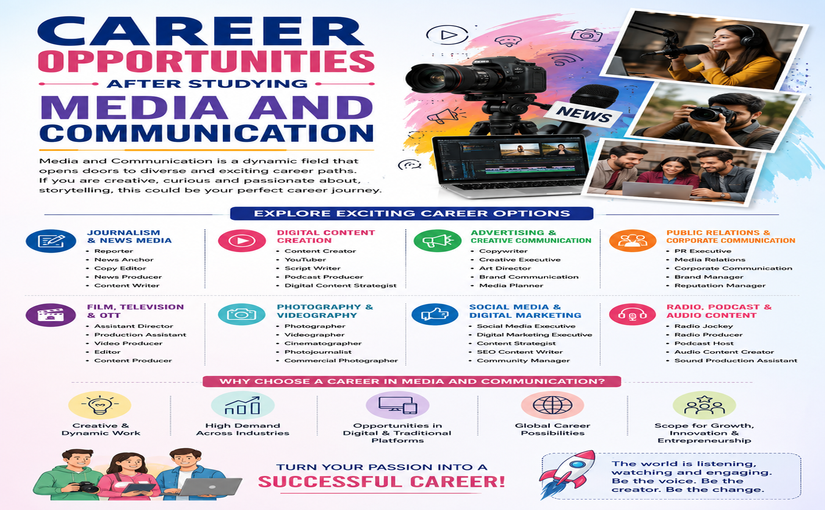
Career Opportunities in Filmmaking
After mastering the filmmaking process, students can pursue careers such as:
- Film Director
- Assistant Director
- Cinematographer
- Video Editor
- Screenwriter
- Content Creator
- Documentary Filmmaker
- Production Manager
- Creative Director
- OTT Content Producer
The growing film, television, advertising, and digital media industries offer numerous opportunities for skilled professionals.
Why Choose IRIS Academy for Filmmaking Training?
IRIS Academy bridges the gap between classroom learning and industry requirements by offering:
- Comprehensive Filmmaking Curriculum
- Hands-On Production Experience
- Industry Expert Mentorship
- Practical Workshops
- Portfolio Development
- Career-Focused Training
Students gain real-world experience that helps them confidently enter the film and media industry.
Final Thoughts
Filmmaking is much more than simply recording scenes with a camera. It is a collaborative process that combines creativity, technology, planning, and storytelling. Understanding every stage of production helps aspiring filmmakers build a strong foundation for success.
At IRIS Academy, students learn the complete filmmaking process—from concept development and direction to editing and distribution—through practical, industry-oriented training. Whether your dream is to direct films, create digital content, or work in production, IRIS Academy provides the skills and experience needed to turn your passion into a profession.