 Affiliated under Mangalayatan University, Alighar UP




Introduction
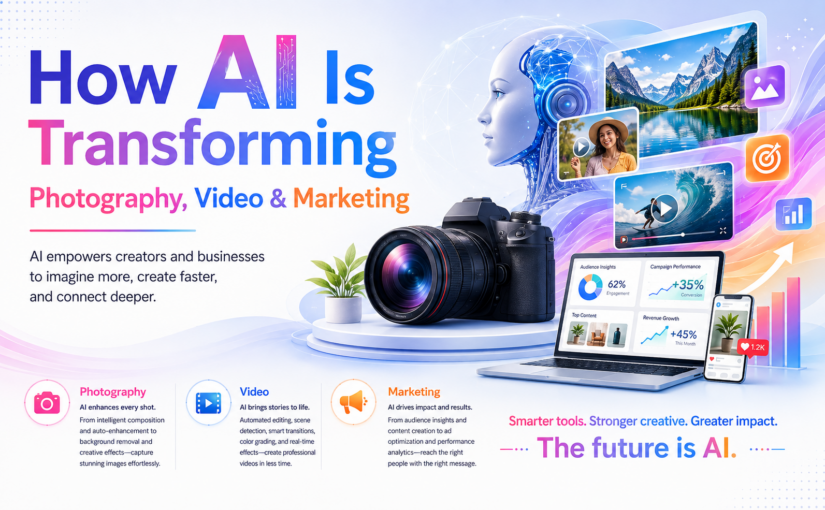
Artificial Intelligence (AI) is changing the way people work, learn, communicate, and create. From generating visual concepts and writing content to editing videos, developing marketing ideas, and exploring new design possibilities, AI has become an increasingly powerful creative assistant.
But does AI replace human creativity?
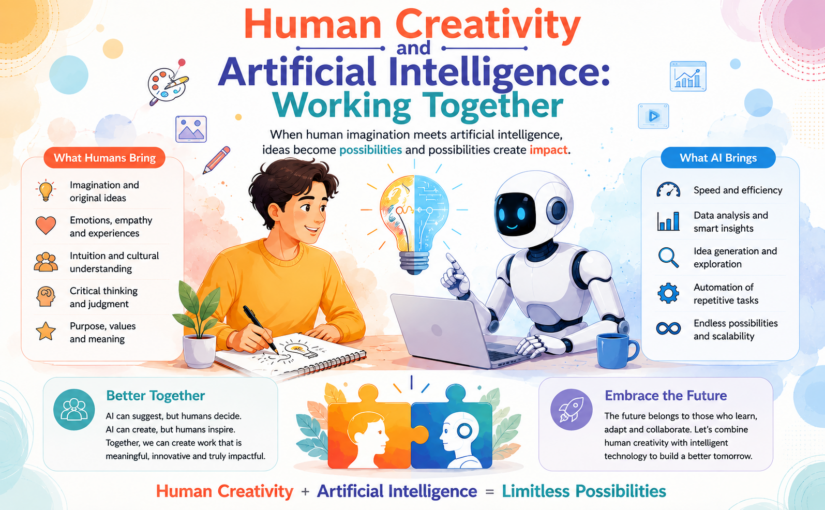
The answer is no. The most valuable future of creativity is not Human vs. AI, but Human + AI.
Recent research suggests that AI can support creative performance, but the way people collaborate with AI matters. One 2026 study found that students who first developed their own ideas and then used AI to improve and evaluate them showed stronger independent creativity than students who relied on AI to generate ideas from the beginning.
What Makes Human Creativity Different?
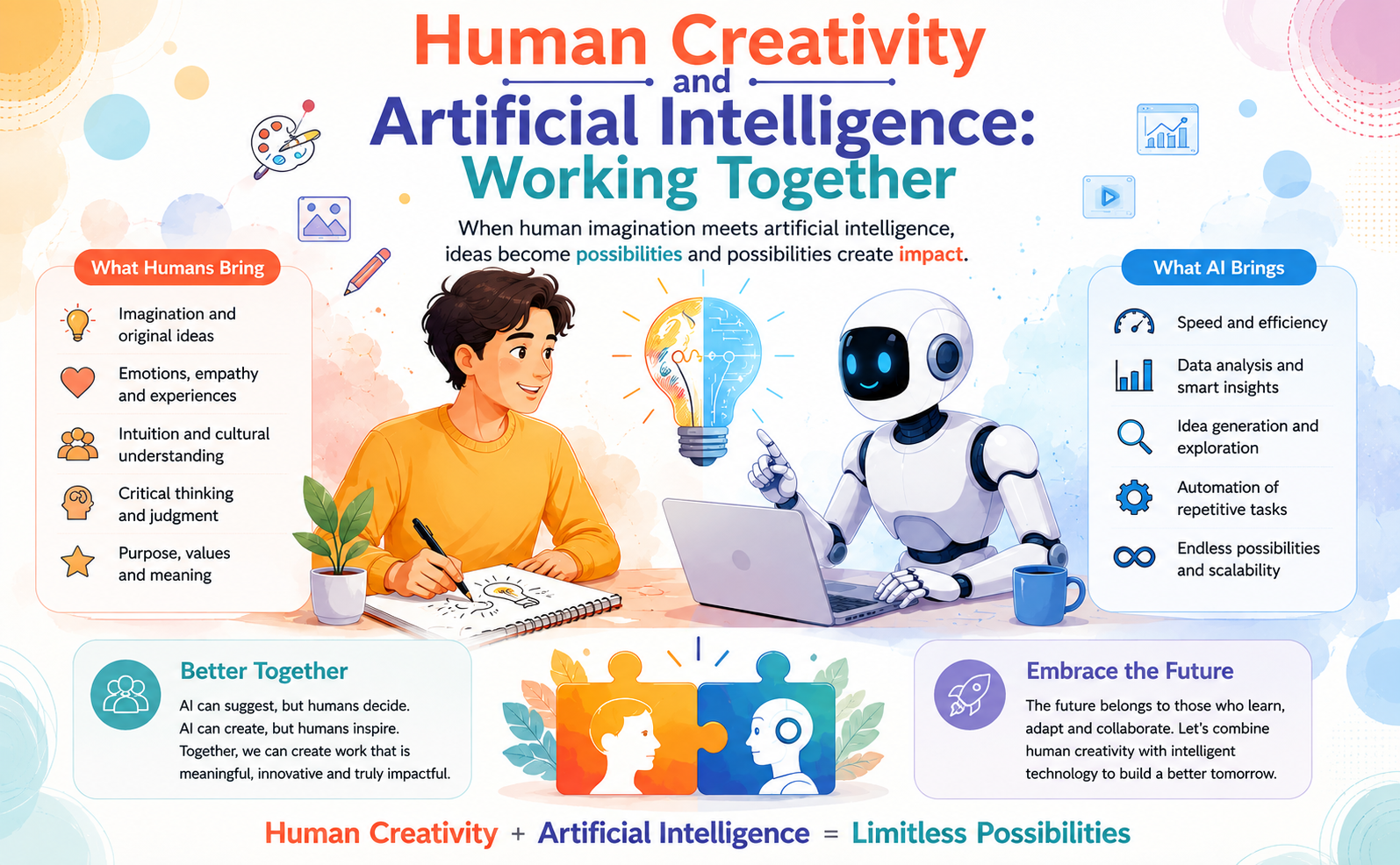
Human creativity comes from imagination, emotions, experiences, observation, culture, curiosity, and personal perspectives.
A designer may create a campaign based on an understanding of a particular audience. A photographer may capture an emotional moment that cannot be reduced to a prompt. A filmmaker may tell a story inspired by personal experience.
AI can generate possibilities, but humans provide intention, meaning, emotion, taste, and judgment.
This is why creative professionals should learn to use AI as a partner rather than depending on it to do all the creative thinking.
How Artificial Intelligence Supports Creativity
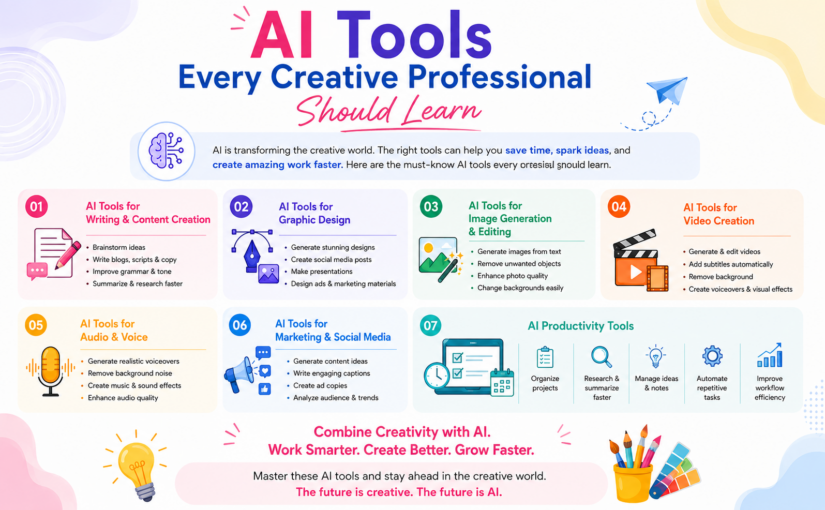
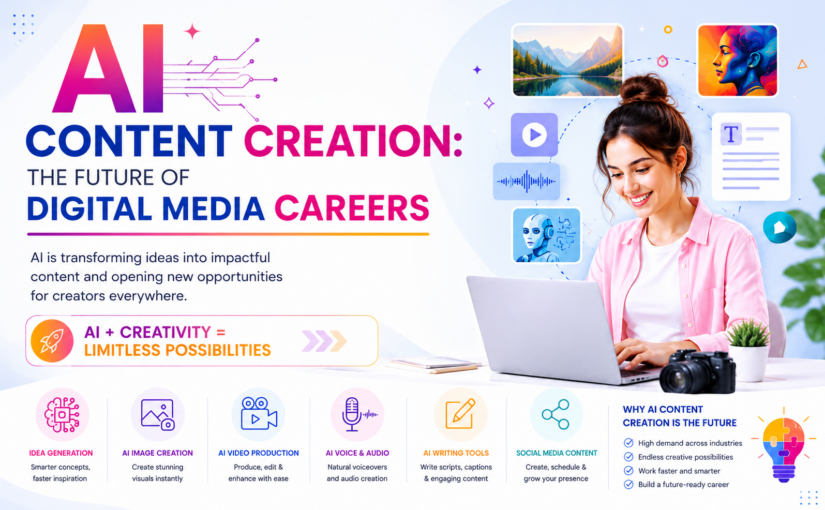
AI can help creative professionals in many stages of the creative process.
1. Brainstorming and Idea Generation
AI can help generate multiple concepts quickly. Instead of spending hours starting from a blank page, creatives can use AI to explore different directions and then select, modify, or combine the ideas that best fit their vision.
2. Visual Development
AI image-generation tools can help designers and photographers explore compositions, moods, environments, colour combinations, and visual concepts before creating the final work.
3. Content Creation
AI can assist with creating initial drafts, headlines, social media concepts, scripts, story ideas, and marketing copy. The human creator can then refine the output to add personality, originality, accuracy, and brand identity.
4. Faster Experimentation
One of AI’s biggest advantages is speed. Creative professionals can test several ideas rapidly, compare different approaches, and spend more time improving the strongest concept.
5. Learning and Problem-Solving
AI can also act as a creative learning partner. Students can ask questions, explore alternative approaches, receive feedback, and experiment with new techniques.
Research into AI-supported creativity in education has identified applications including brainstorming, creative writing, adaptive learning, and creative teaching.
Why Human Judgment Still Matters
AI-generated content can sometimes look impressive while still being generic, inaccurate, unsuitable, or disconnected from the intended audience.
Human beings are responsible for asking:
- Is this idea original?
- Does it communicate the right message?
- Is the information accurate?
- Does it connect emotionally with the audience?
- Does it reflect the brand or individual’s identity?
- Is the AI output ethical and appropriate?
Creative professionals therefore need more than technical AI skills. They need critical thinking, visual understanding, storytelling, communication, and creative judgment.
A 2026 report on creativity and AI similarly highlights that human judgment and craft remain important even as AI increases speed and efficiency.
The Best Approach: Think First, AI Later
One of the most important lessons for students and creative professionals is not to let AI do all the thinking.
A better workflow is:
Think → Create → Use AI → Evaluate → Improve → Finalise
Start with your own concept. Then use AI to expand possibilities, identify alternatives, improve execution, or challenge your assumptions.
This approach helps preserve individual creativity while taking advantage of AI’s speed and capabilities.
How Iris Academy Deals with Human Creativity and AI
At Iris Academy, the focus is not simply on teaching students how to operate AI tools. The goal is to help students understand how to combine creative thinking with modern technology.
The academy’s approach can be built around three important principles:
Creativity First
Students are encouraged to develop their own creative thinking, concepts, visual sense, storytelling ability, and problem-solving skills before depending on AI.
AI as a Creative Assistant
AI tools can then be introduced as assistants for brainstorming, concept development, content creation, image generation, editing, research, and experimentation.
The objective is to teach students when and how to use AI effectively, rather than simply asking AI to produce the complete work.
Practical, Industry-Oriented Learning
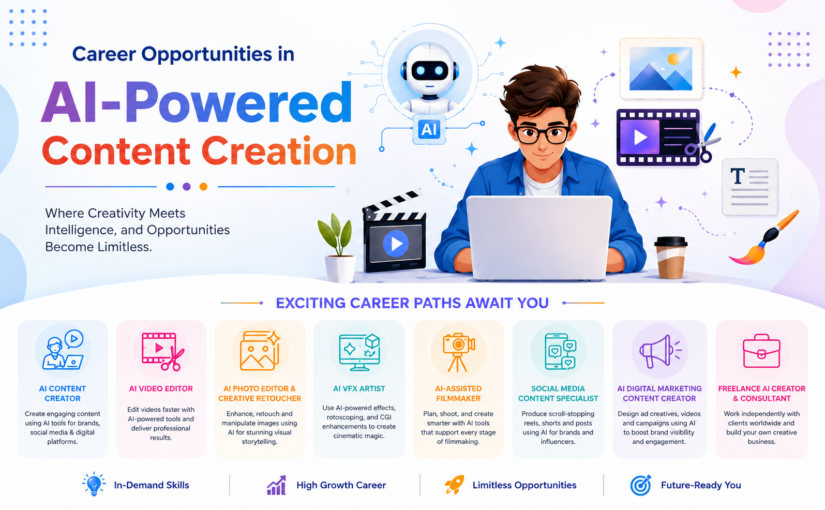
Students can learn through practical projects that connect AI with real creative disciplines such as:
- Graphic Design
- Photography
- Video Production
- Digital Marketing
- Content Creation
- Branding
- Social Media
- Creative Communication
This helps students understand how AI can become part of a professional creative workflow.
Building the Creative Professionals of Tomorrow
The creative industry is changing rapidly. AI is making some production tasks faster, but this also increases the importance of people who can think creatively, make strong decisions, understand audiences, and direct technology effectively.
For students, this means the goal should not be to become someone who simply knows how to use AI.
The goal should be to become a creative professional who knows how to use AI intelligently.
At Iris Academy, this human-first approach can help students develop both sides of the equation:
Human Creativity + AI Skills = Creative Advantage
The Future Is Collaboration
Artificial Intelligence will continue to evolve, but human imagination, emotion, cultural understanding, curiosity, and personal experience will remain central to meaningful creative work.
The future of creativity is therefore not about choosing between humans and machines. It is about understanding what each does best.
Humans bring the vision.
AI brings possibilities.
Humans make the decisions.
AI accelerates the process.
Together, they can create something better.
For students and aspiring creative professionals, learning this balance today can provide an important advantage in tomorrow’s AI-powered creative industry.
At Iris Academy, the emphasis is on preparing learners not just to use the latest technology, but to think creatively, work intelligently, and use AI as a powerful partner in their creative journey.