 Affiliated under Mangalayatan University, Alighar UP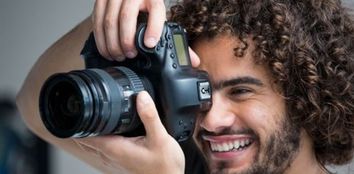



Introduction
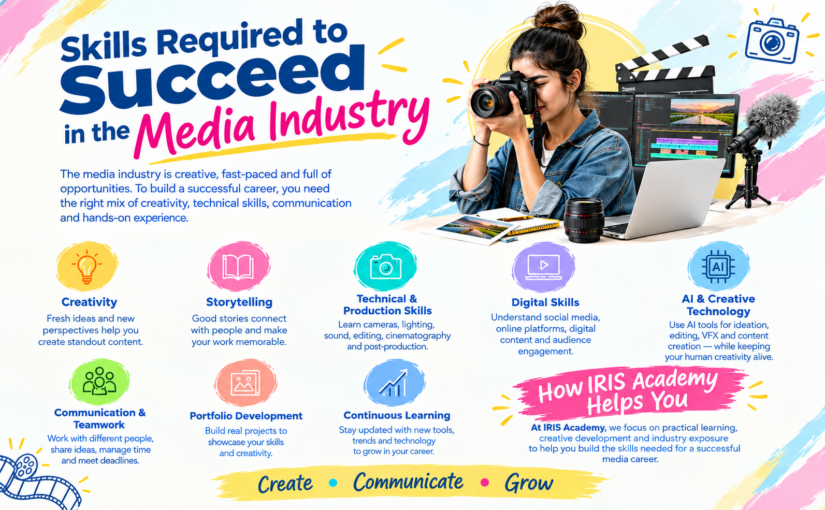
The world of filmmaking is a dynamic blend of creativity, technology, and teamwork. While theoretical knowledge provides a strong foundation, true mastery of filmmaking comes through hands-on experience. Whether it’s operating a camera, directing actors, editing footage, or managing a production set, practical training plays a crucial role in transforming students into industry-ready professionals.
At IRIS Academy, Kolkata, practical learning is not just a part of the curriculum—it is the heart of the educational experience.
The Gap Between Theory and Real-World Filmmaking
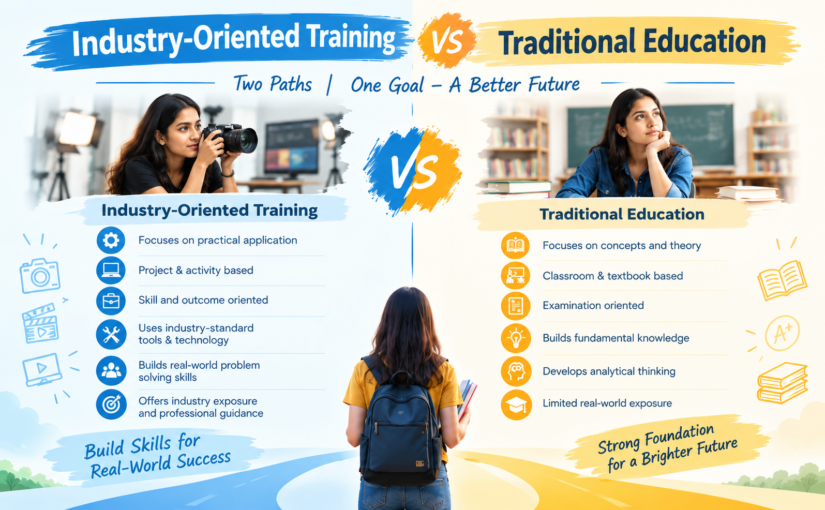
Film education involves understanding storytelling, cinematography, editing techniques, sound design, color grading, visual effects, and production management. While textbooks and classroom lectures can explain concepts, they cannot fully replicate the challenges and excitement of working on a real production.
Students often discover that filmmaking requires:
- Quick decision-making under pressure
- Effective teamwork and communication
- Problem-solving in unpredictable situations
- Technical proficiency with professional equipment
- Creative adaptation to real-world constraints
These skills can only be developed through practical training and real project experience.
Benefits of Practical Training in Film Education
1. Hands-On Equipment Experience
Modern filmmaking relies heavily on advanced cameras, lighting setups, drones, editing software, and sound recording equipment. Practical training allows students to become comfortable with professional tools before entering the industry.
2. Building Confidence
Students gain confidence when they work on actual projects, shoot scenes, direct performers, and edit content independently. Practical exposure removes the fear of handling professional responsibilities.
3. Understanding the Production Workflow
Filmmaking is a collaborative process involving multiple departments. Through practical projects, students learn how pre-production, production, and post-production work together to create a finished film.
4. Portfolio Development
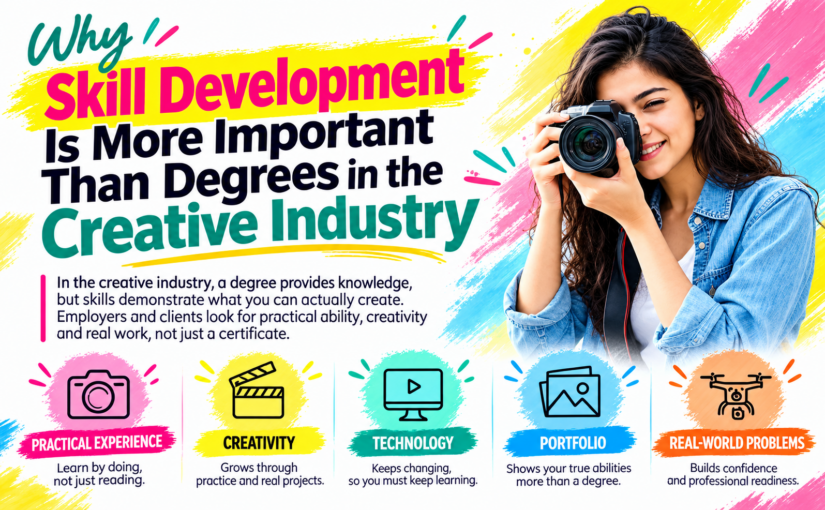
Employers and clients often evaluate filmmakers based on their work rather than academic qualifications alone. Practical projects help students build a strong portfolio that showcases their skills and creativity.
5. Industry Readiness
Real-world experience prepares students for the demands of film studios, production houses, media agencies, digital content platforms, and freelance projects.
How IRIS Academy Makes Practical Training a Priority
At IRIS Academy, we believe that students learn filmmaking best by creating films. Our curriculum is designed to provide extensive practical exposure throughout the training journey.
Professional Studio Environment
Students train using industry-standard equipment and software commonly used in filmmaking, photography, video editing, VFX, color grading, and digital content creation.
Project-Based Learning
Every course incorporates practical assignments, workshops, and creative projects. Students actively participate in:
- Film production
- Short film creation
- Photography projects
- Video editing assignments
- Cinematography exercises
- Sound recording sessions
- Color grading projects
Industry-Oriented Workshops
IRIS Academy regularly organizes workshops, masterclasses, and interactive sessions with industry professionals, helping students understand current industry trends and expectations.
Real Production Experience
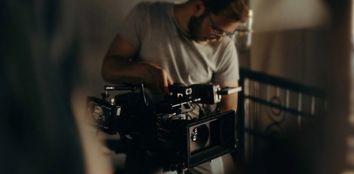
Students are encouraged to work on real-world projects and collaborative productions, providing valuable experience that mirrors professional filmmaking environments.
Exposure to Emerging Technologies
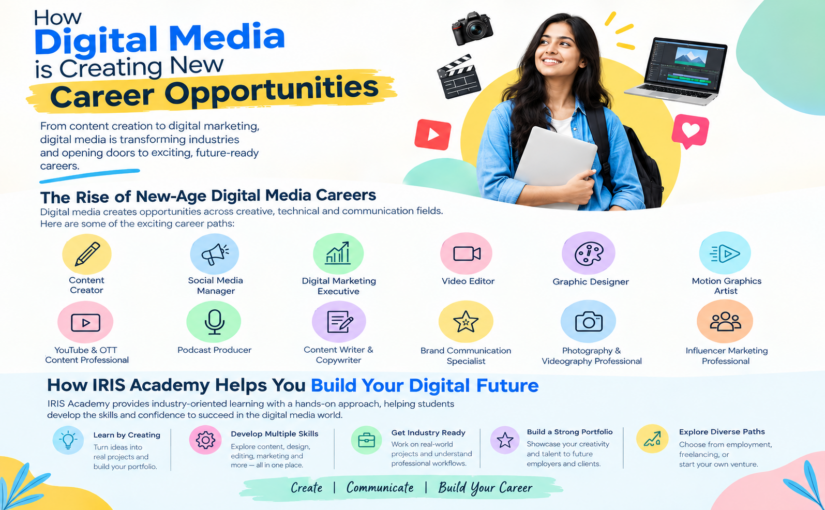
The media industry continues to evolve rapidly with technologies such as AI-powered content creation, advanced visual effects, drone cinematography, and digital production techniques. IRIS Academy integrates these modern tools into practical training to ensure students stay ahead of industry developments.
Portfolio and Career Development
Through continuous project work, students graduate with a portfolio that demonstrates their technical skills, creativity, and professional readiness. This gives them a competitive advantage when seeking employment, internships, or freelance opportunities.
Learning by Doing: The IRIS Academy Philosophy
At IRIS Academy, education goes beyond classrooms and textbooks. We believe that every student should have the opportunity to experiment, create, make mistakes, learn, and improve through practical experience.
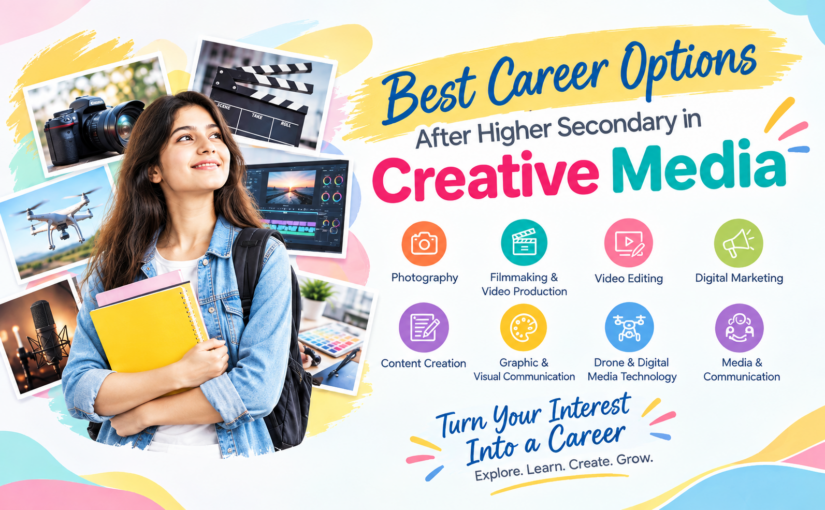
Our mission is to bridge the gap between education and industry by providing hands-on training that prepares students for successful careers in filmmaking, media production, photography, editing, VFX, AI-powered content creation, and related creative fields.
Conclusion
In film education, practical training is not optional—it is essential. The film industry demands professionals who can apply their knowledge in real production environments and deliver creative results under real-world conditions.
By combining strong theoretical foundations with extensive hands-on learning, IRIS Academy empowers students to develop the confidence, skills, and industry experience needed to succeed in today’s competitive media landscape.
If you aspire to build a career in filmmaking, cinematography, editing, photography, VFX, or digital content creation, practical training can make all the difference—and at IRIS Academy, practical learning is where your creative journey truly begins.